July 8, 2026 · 8 min read · by Katie, @iheartliver
Glass vs. Steel vs. Ceramic Water Bottles: Which Is Actually Best?
The bottle you refill five times a day matters more than almost any other swap on this site — it's constant, repeated contact. Here's how the three main non-plastic materials actually compare, and the six bottles I'd put money on.
Why your water bottle material actually matters
Plastic bottles — even the reusable, “BPA-free” kind — shed microplastics as they scratch and degrade, and heat accelerates it. A water bottle left in a hot car or run through the dishwasher hundreds of times is exactly the kind of repeated, low-dose exposure that adds up. Swapping this one item removes a source of exposure you touch every single day.
The three real alternatives
Glass — completely inert, zero flavor transfer, the gold standard for taste purity. Breakable without a protective sleeve.
Stainless steel — nearly indestructible, excellent insulation, the most practical daily-driver material.
Ceramic-lined steel— combines steel's durability with a non-reactive interior coating, so you get glass-like taste purity in an unbreakable bottle.
The 6 best non-toxic water bottles
Best all-around — my daily bottle
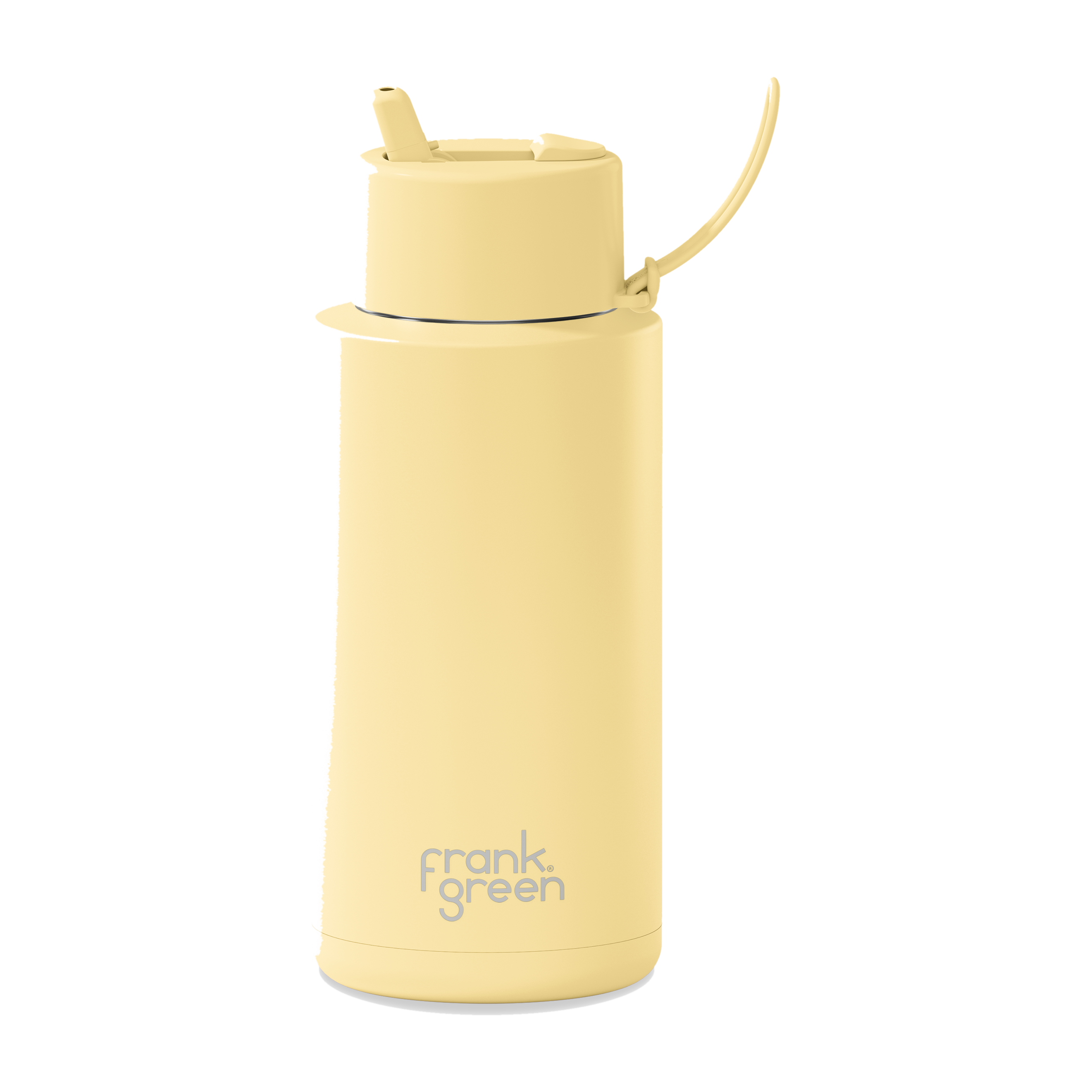
1. Frank Green Ceramic Reusable Bottle
The ceramic liner is the whole point — it's completely non-reactive, so your water never picks up a metallic taste even after months of use. Stainless steel exterior for durability, genuinely leakproof, and it keeps drinks cold for a full day. This is the one I actually reach for every morning.
Best minimalist glass-adjacent design
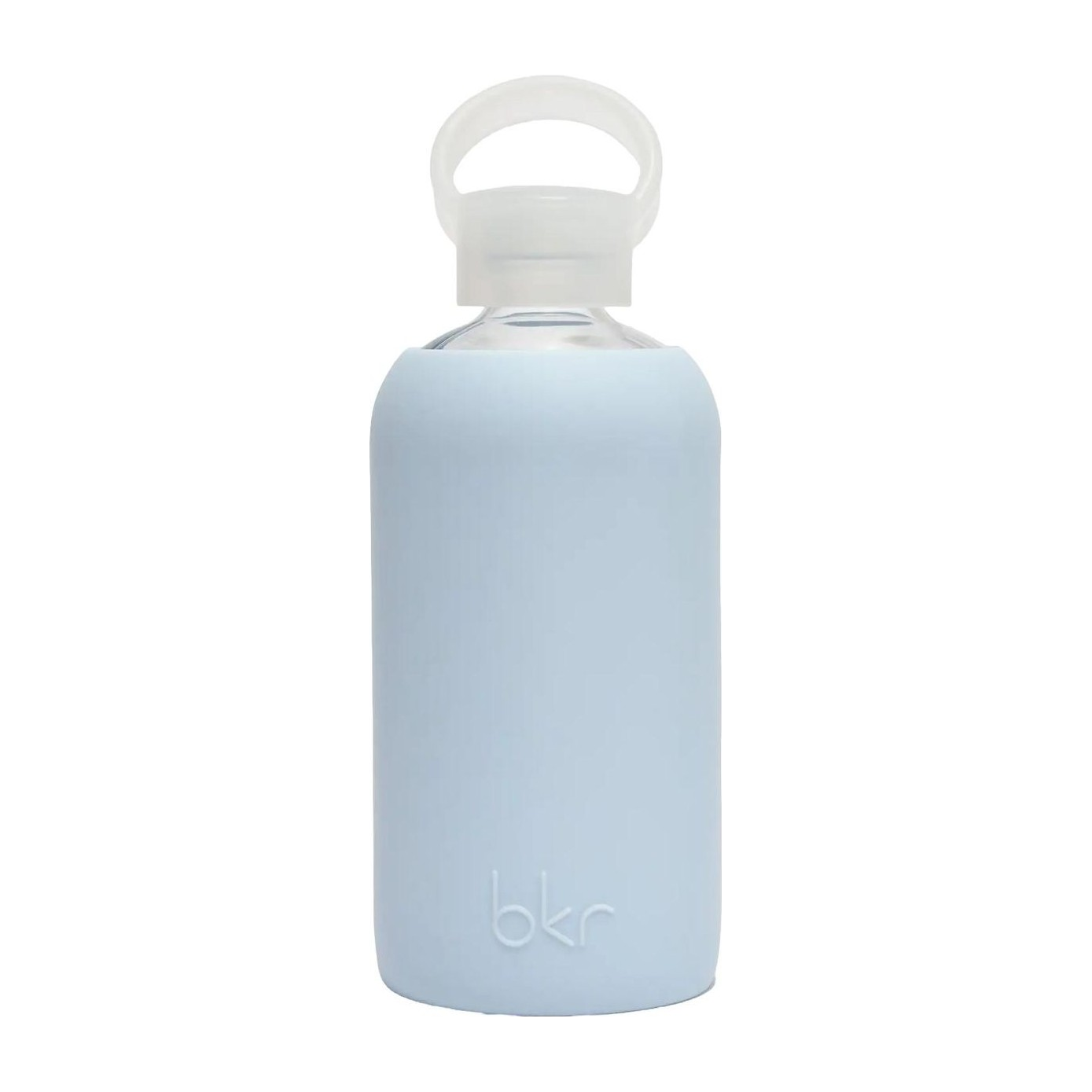
2. Bkr James Water Bottle
Bkr built its whole reputation on borosilicate glass bottles with a silicone "skin" so they don't shatter — you get the inertness of glass (zero flavor transfer, zero leaching) with real drop protection. The 500mL size is perfect for a bag or a desk.
Best for all-day hydration goals
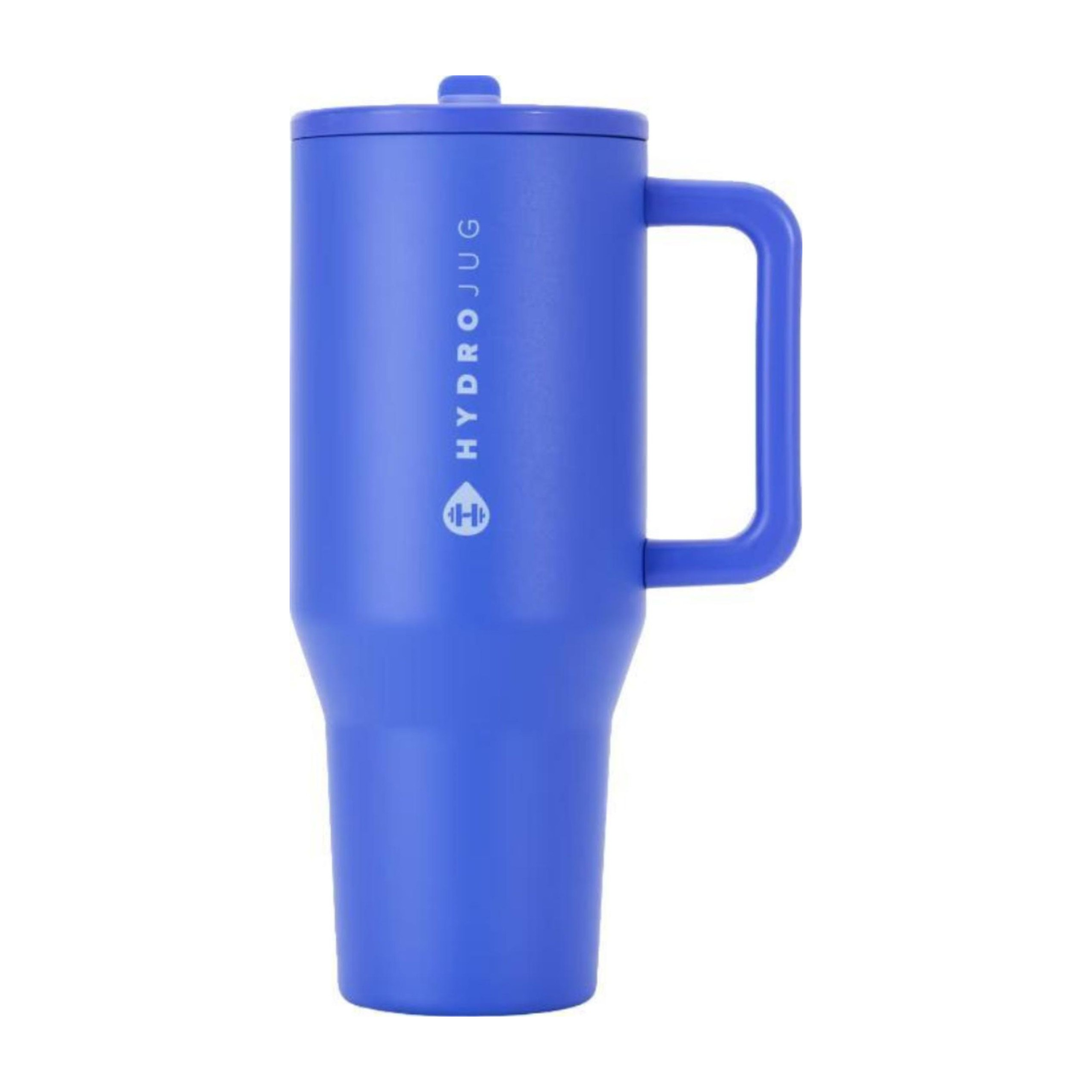
3. HydroJug Traveler Tumbler
If you're the type who needs to see the ounces to actually drink them, the 40oz HydroJug is built for that — insulated stainless steel, a straw lid for easy sipping, and big enough that refilling isn't a five-times-a-day chore.
Best for temperature retention
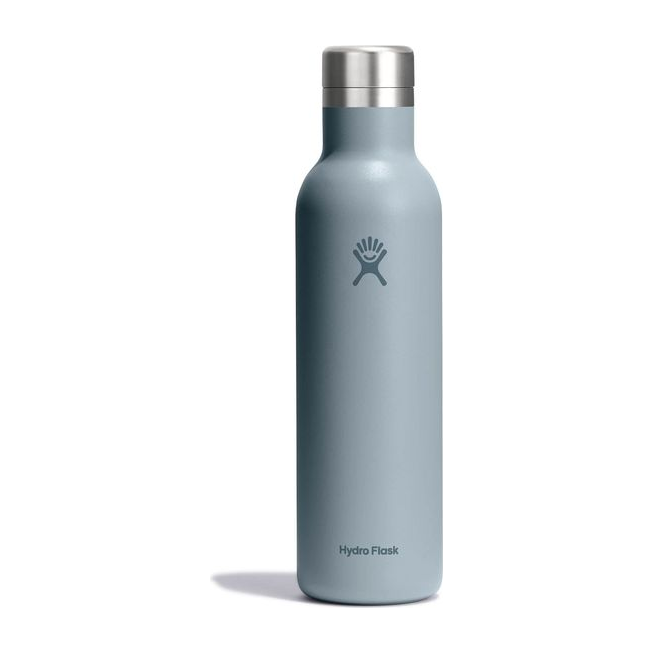
4. Hydro Flask Ceramic Wine Bottle
Yes, it's marketed for wine, but the double-wall vacuum insulation and ceramic-reinforced interior make it just as good for water — it holds temperature longer than almost anything else on this list, hot or cold.
Best cap design
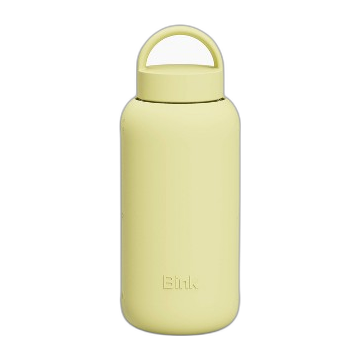
5. Bink 27oz Day Water Bottle
The carry-cap handle makes this the easiest bottle to actually grab and go with — no separate strap, no clip. Stainless steel construction, no plastic touching your water, and it looks genuinely cute doing it.
Best statement piece
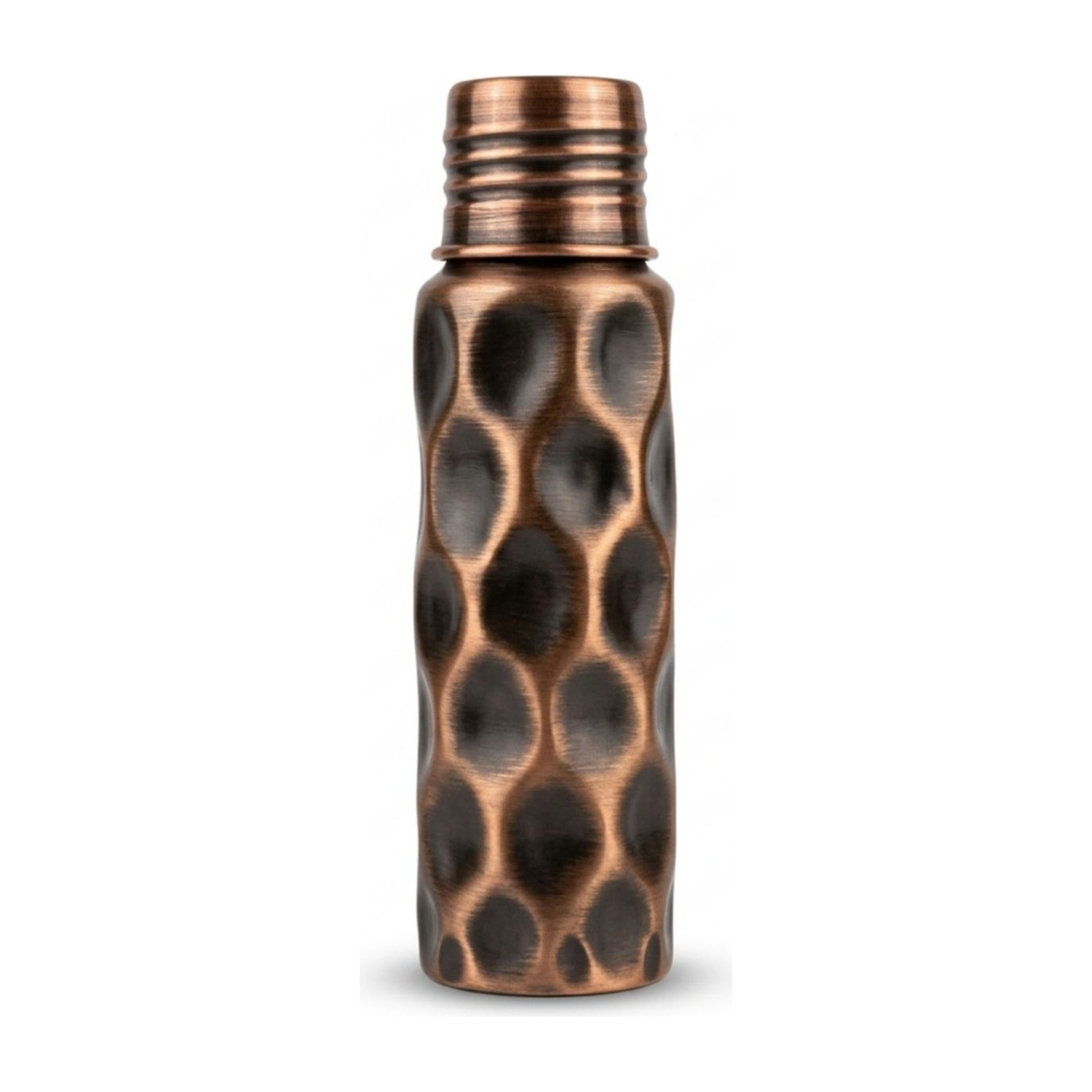
6. Anatoliacraft Handcrafted Copper Bottle
Hammered copper has been used for water storage for centuries — some people swear by copper's natural antimicrobial properties, though the research is mixed. What's not mixed: it's stunning, plastic-free, and a genuine conversation piece on your desk.
Frequently asked questions
Is it actually bad to drink from plastic water bottles?
Reusable plastic bottles can leach microplastics and chemicals like BPA or its replacements (BPS, BPF) especially when they're old, scratched, or exposed to heat — think a bottle left in a hot car. The risk is cumulative, not acute, which is exactly why switching your daily bottle (the one you refill 3-5 times a day) matters more than any single plastic exposure.
Is glass or stainless steel better for a water bottle?
Both are inert and won't leach anything into your water. Glass is truly zero-flavor-transfer but breakable; stainless steel is nearly indestructible but can occasionally impart a faint metallic taste if the interior coating wears down. Ceramic-lined steel (like Frank Green) tries to get the best of both.
Do copper water bottles actually do anything?
Copper has documented antimicrobial properties on contact surfaces, and Ayurvedic tradition has used copper vessels for water storage for centuries. Modern research on health benefits from drinking copper-stored water is still limited — I'd call it a nice-to-have, not a must-have, and it's genuinely beautiful either way.
How often should I replace my water bottle?
A quality stainless steel, glass, or ceramic bottle can last years — replace it if the interior coating chips, the seal stops sealing, or (for insulated bottles) it stops holding temperature. Unlike plastic, none of these materials degrade with normal use.
More plastic-free swaps for your kitchen
From cutting boards to food storage, every kitchen product on this site is vetted against my standards.